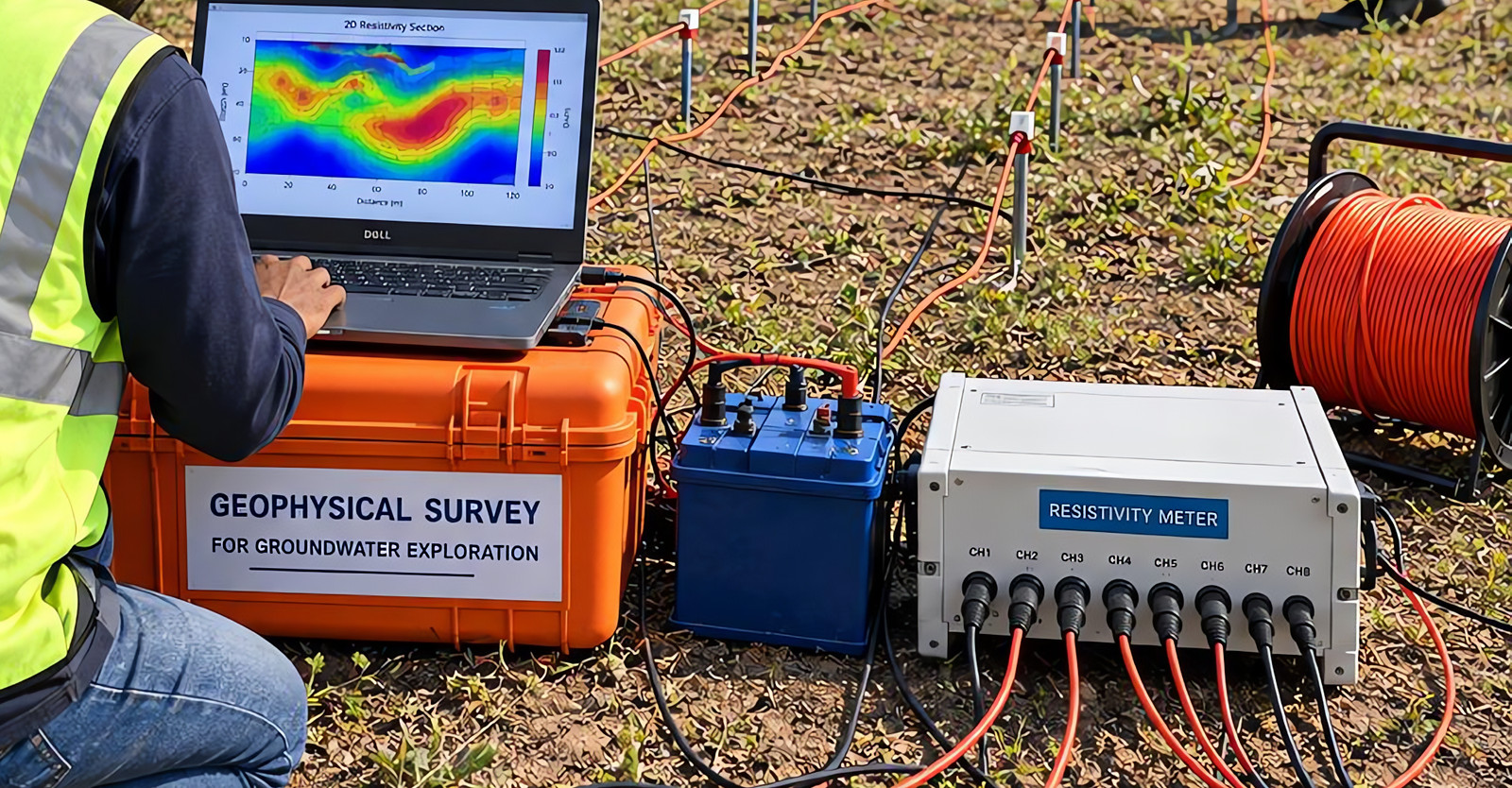
Borehole Electrical Logging & Testing
Borehole electrical logging provides a continuous record of the formations penetrated by a borehole. Combined with testing, it helps decide where screens should be placed, which zones should be sealed off and how the completed well will perform.
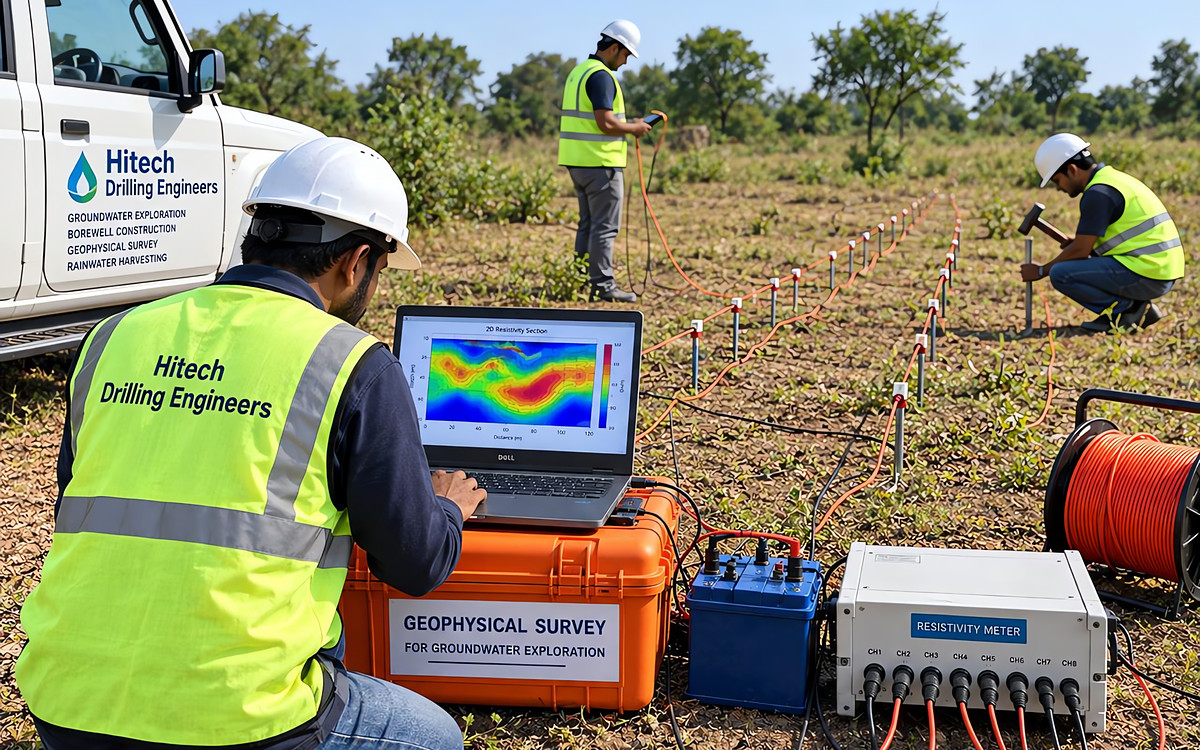
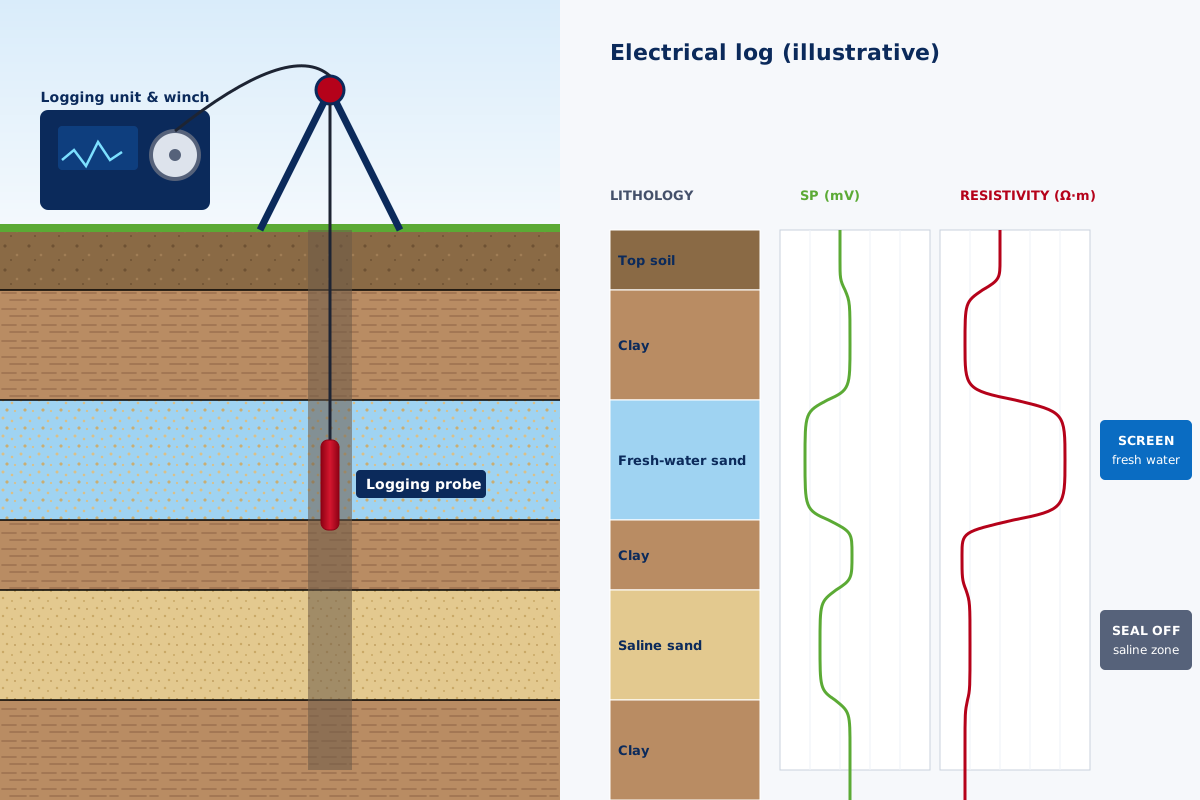
Resistivity logging measures the electrical resistivity of the subsurface – its ability to impede the flow of electric current. This helps differentiate between formations holding fresh water, those holding saline water (good conductors of electricity) and clay or rock layers. Resistivity is typically charted on a logarithmic scale against depth because of the wide range of values encountered.
Our logging & testing services
Electrical Resistivity Logging
Continuous resistivity profile of the borehole to identify water-bearing formations and their quality.
Self-Potential (SP) Logging
Complements resistivity logs to identify permeable layers and bed boundaries.
Screen Placement Design
Log interpretation to position slotted pipe / screens against productive zones and blank pipe against clays or saline zones.
Step Draw-Down Test
Conducted to determine the operational discharge and well efficiency of the completed tube well.
Yield / Pumping Test
Measurement of discharge and draw-down over time to recommend the safe pumping rate and pump size.
Borewell Condition Assessment
Evaluation of existing borewells for silting, reduced yield or damage before cleaning or rejuvenation.
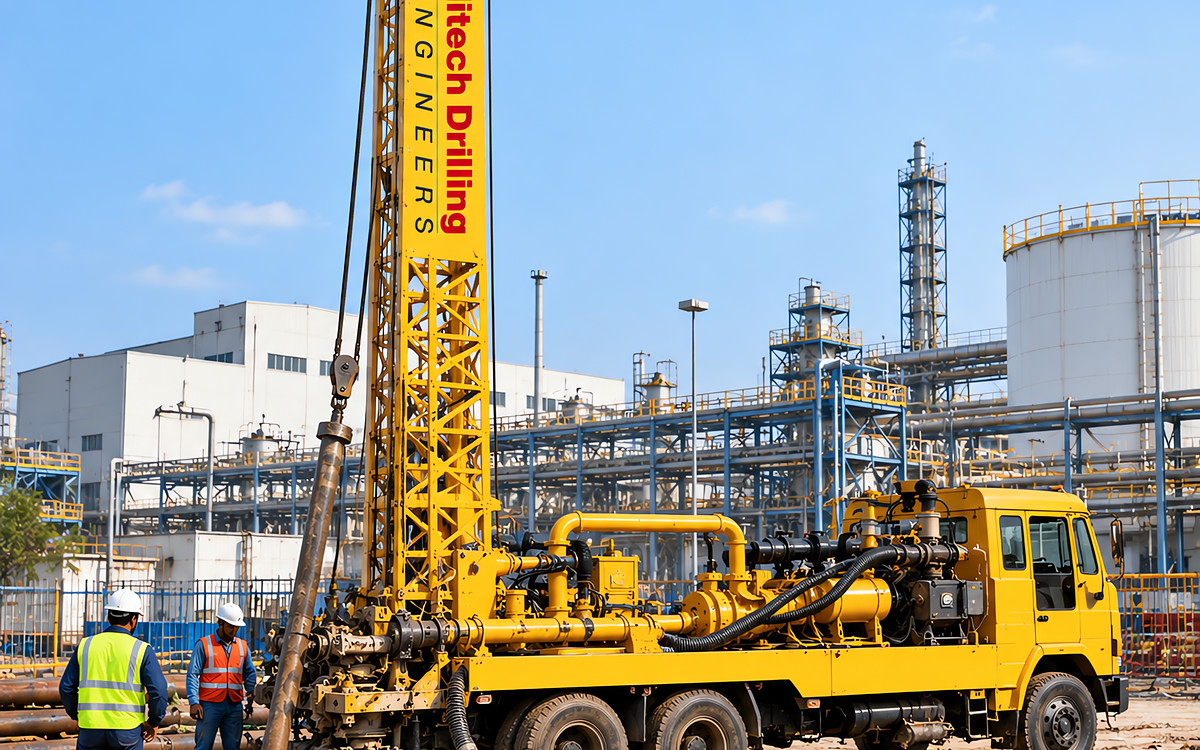
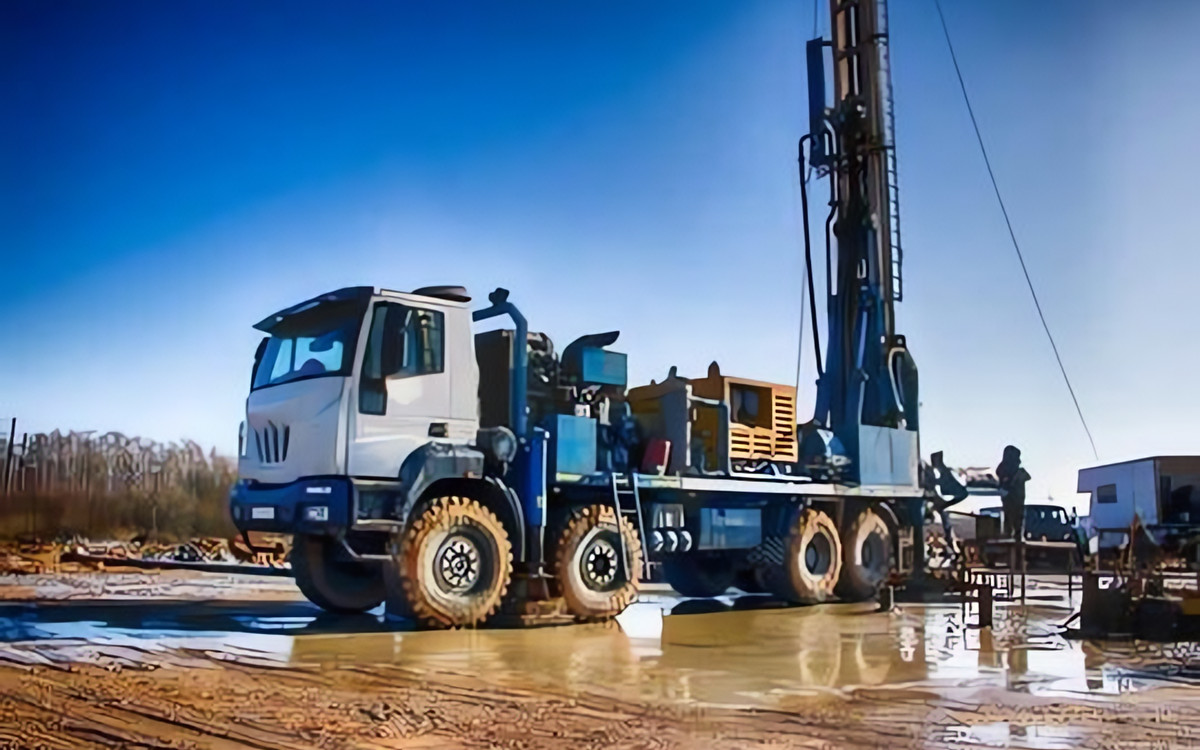
Logging-while-drilling approaches integrate sensors into the drilling process, allowing drilling engineers and geologists to quickly obtain information and make immediate decisions about the future of the well and the direction of drilling.